Original: $15.44
-70%$15.44
$4.63The Story
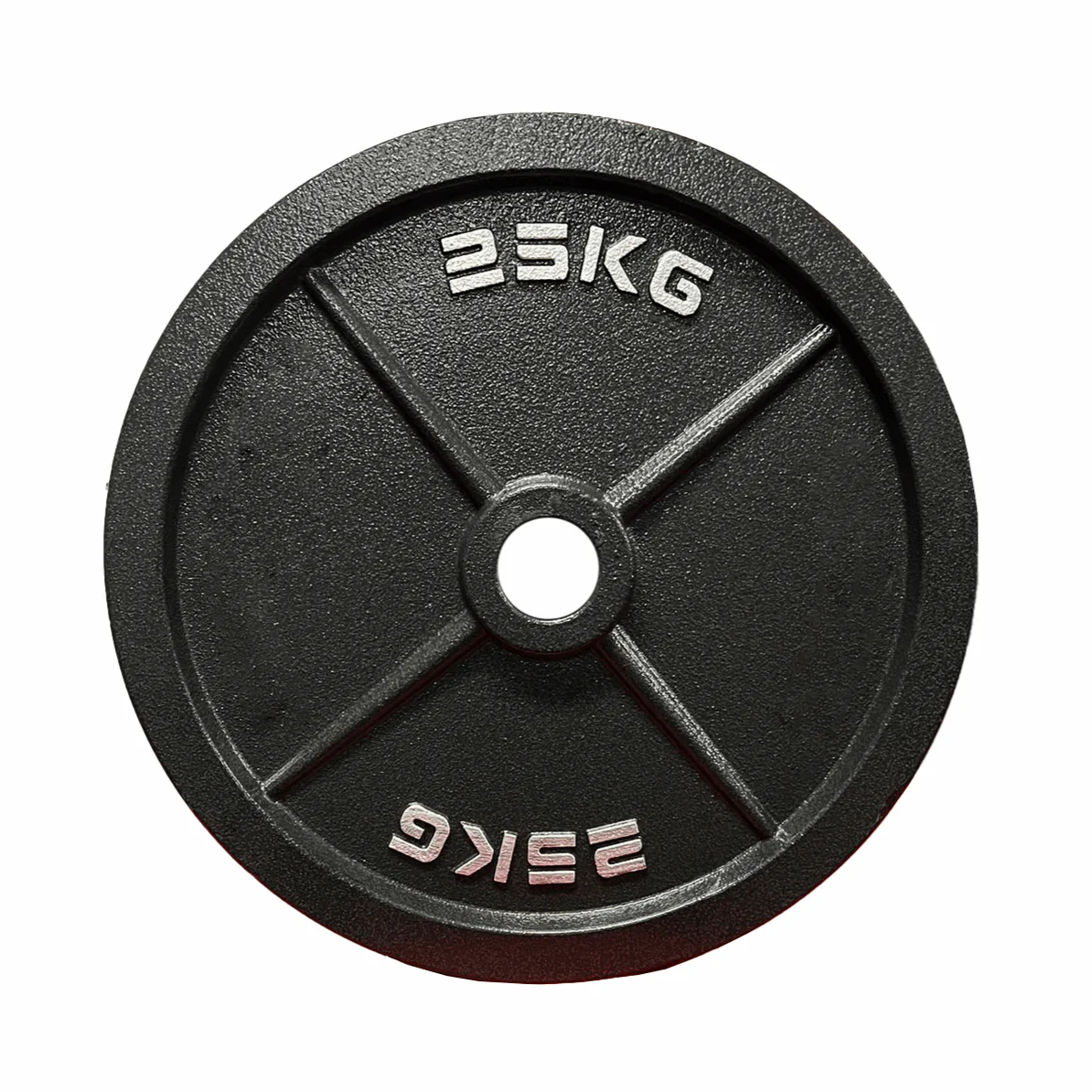
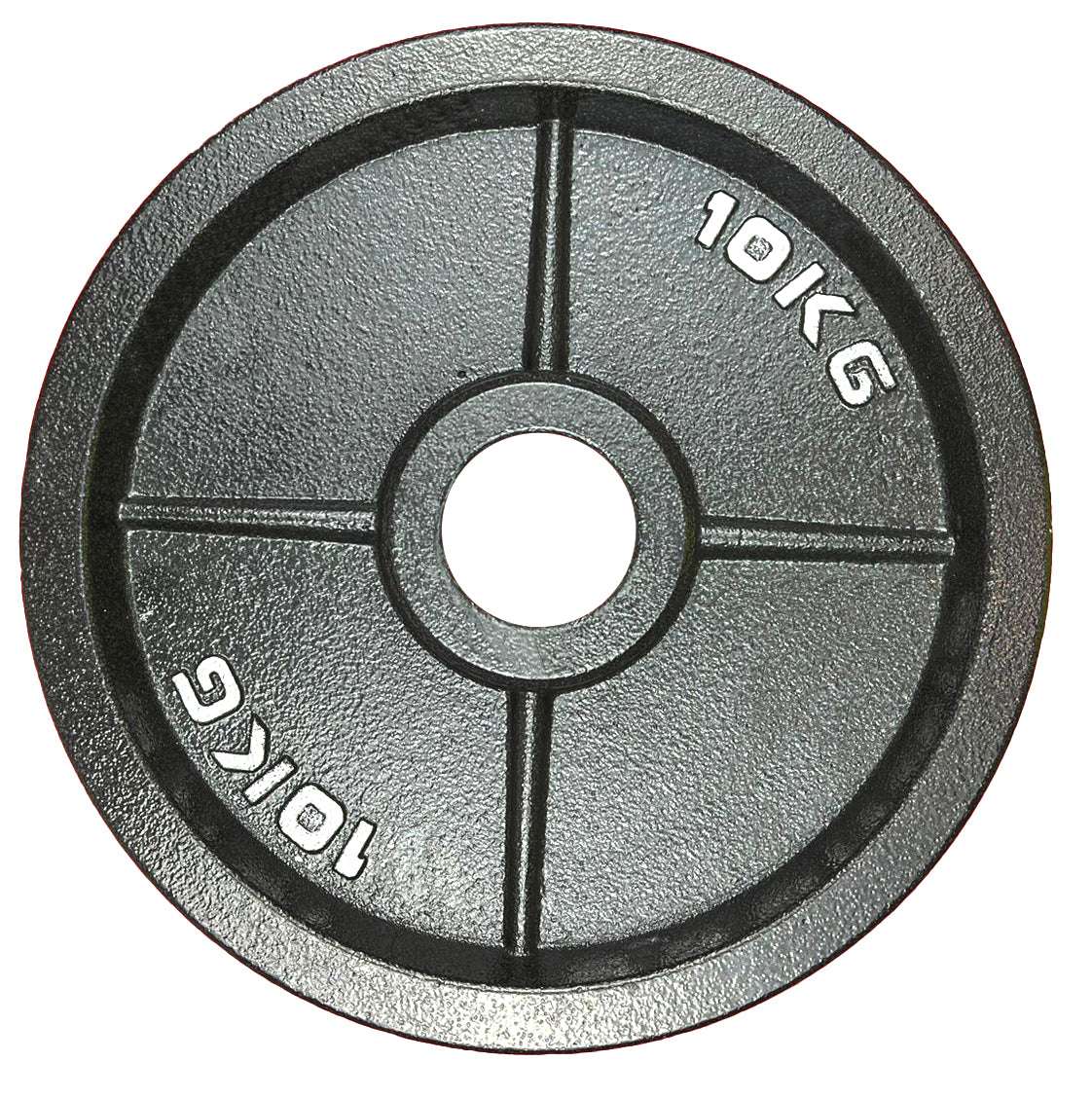
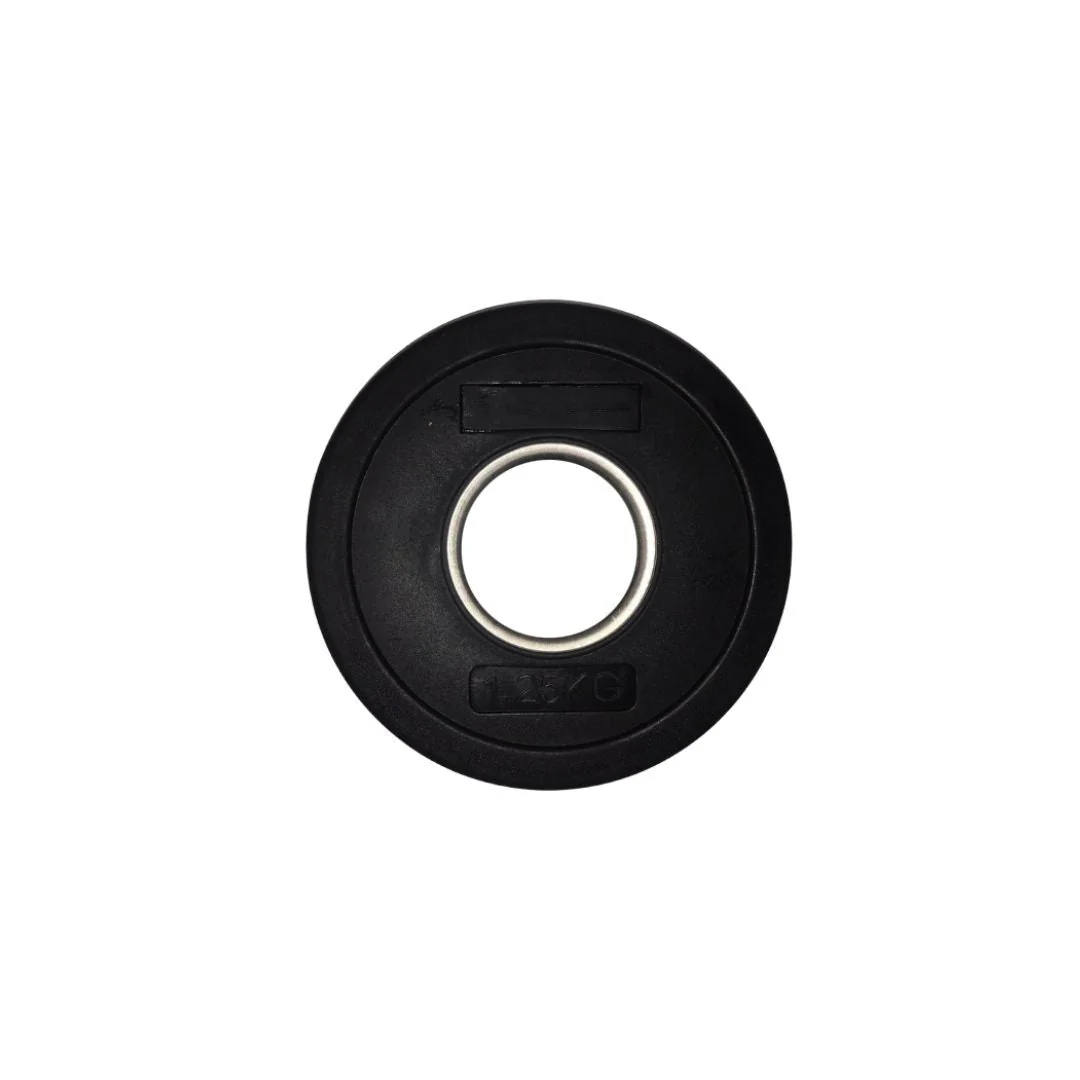
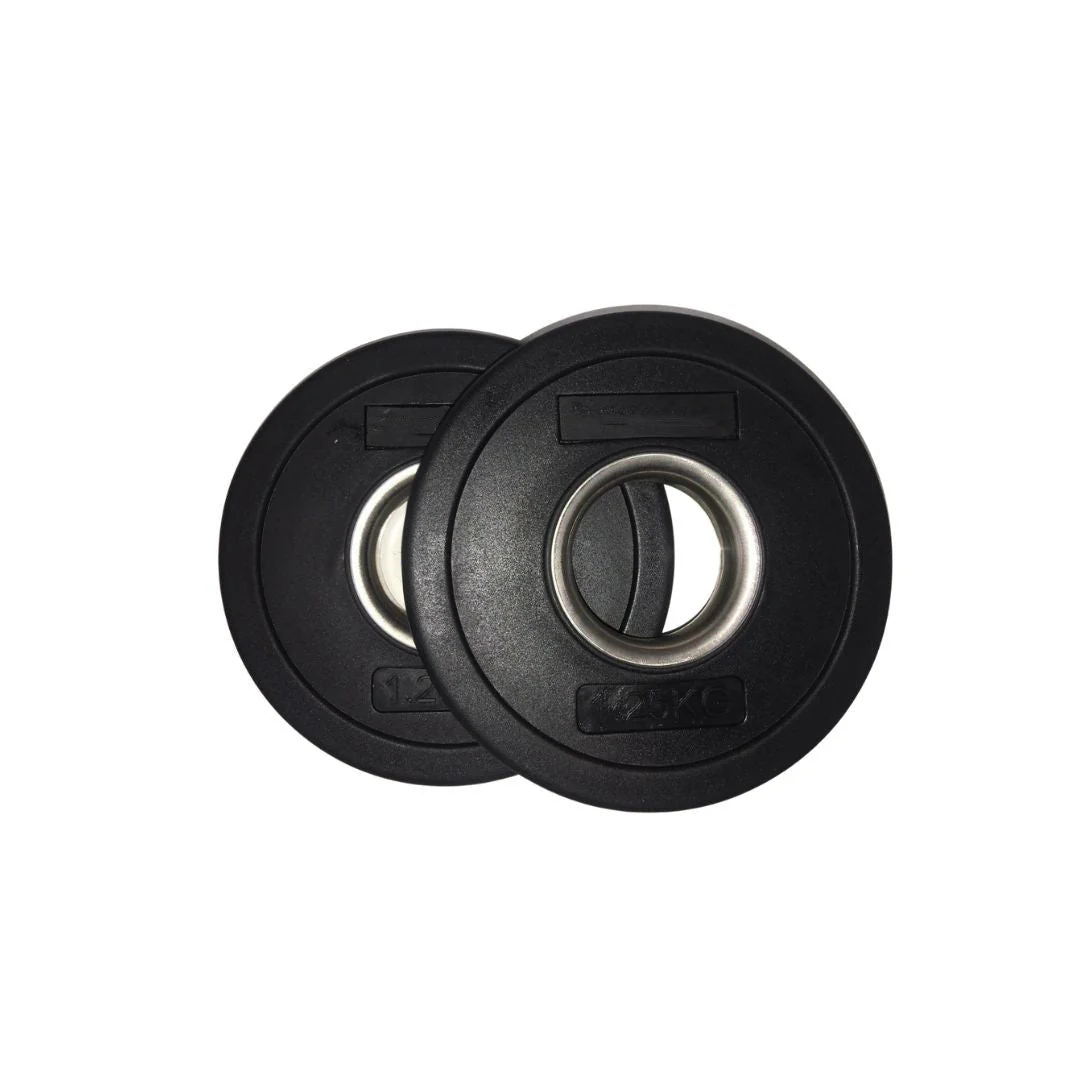
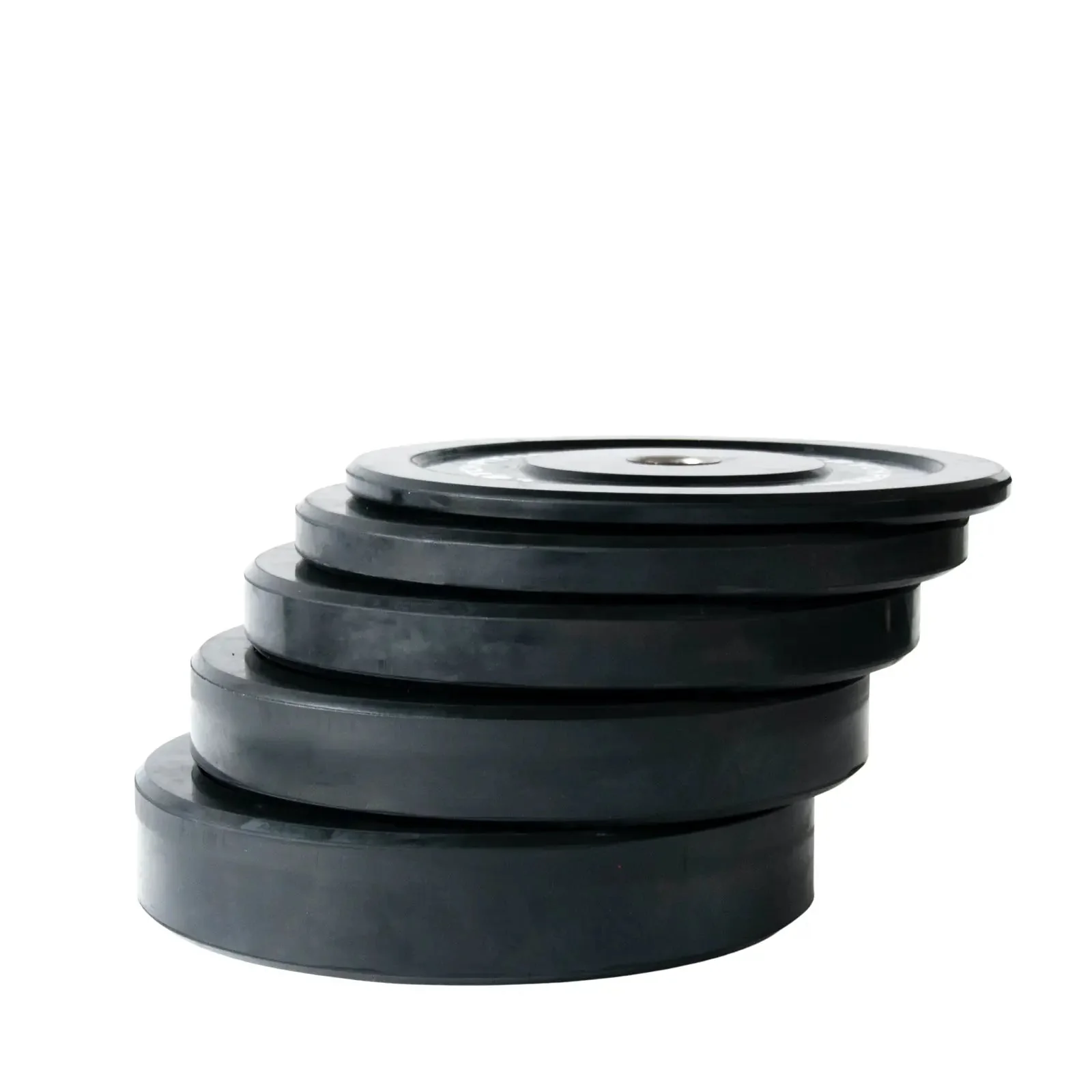
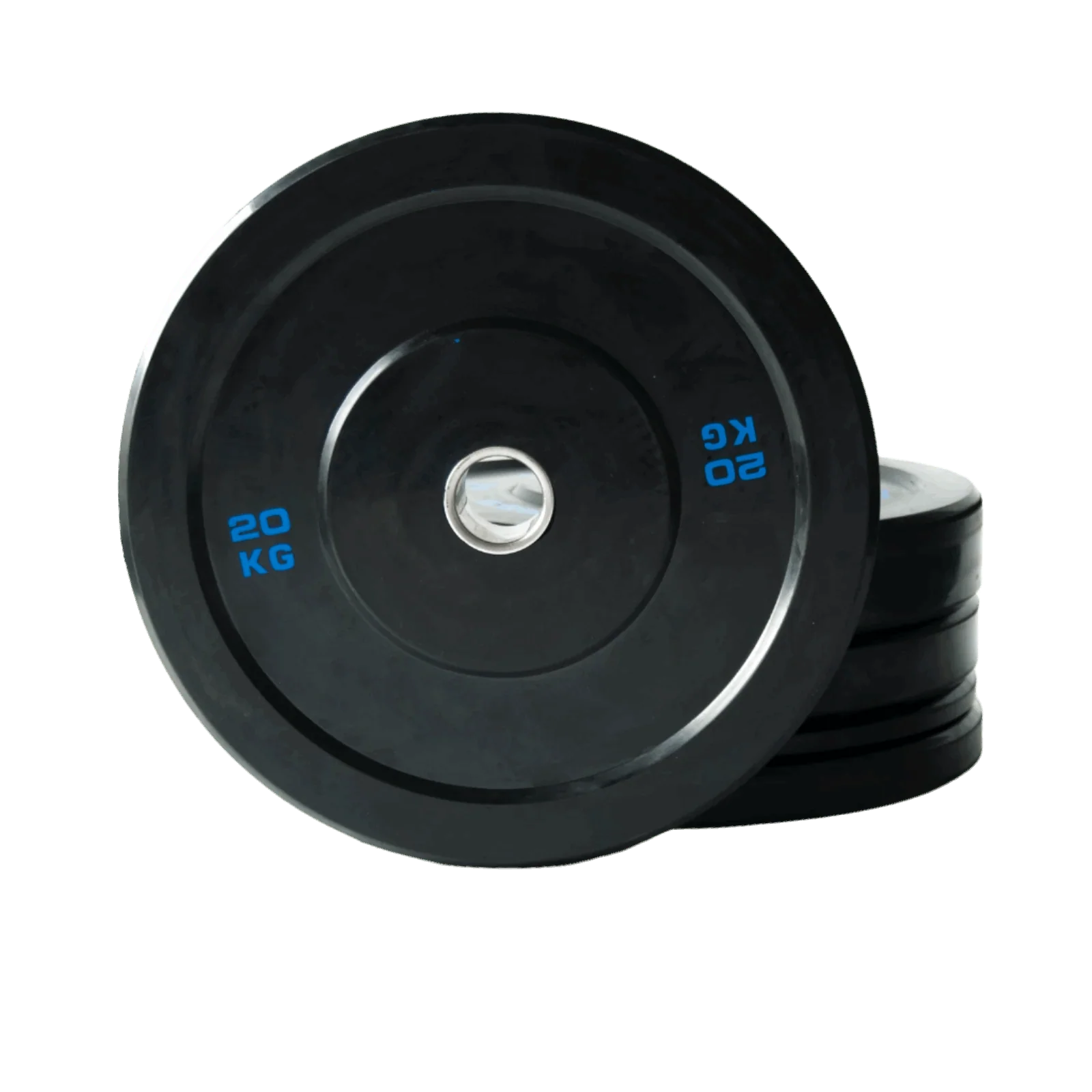
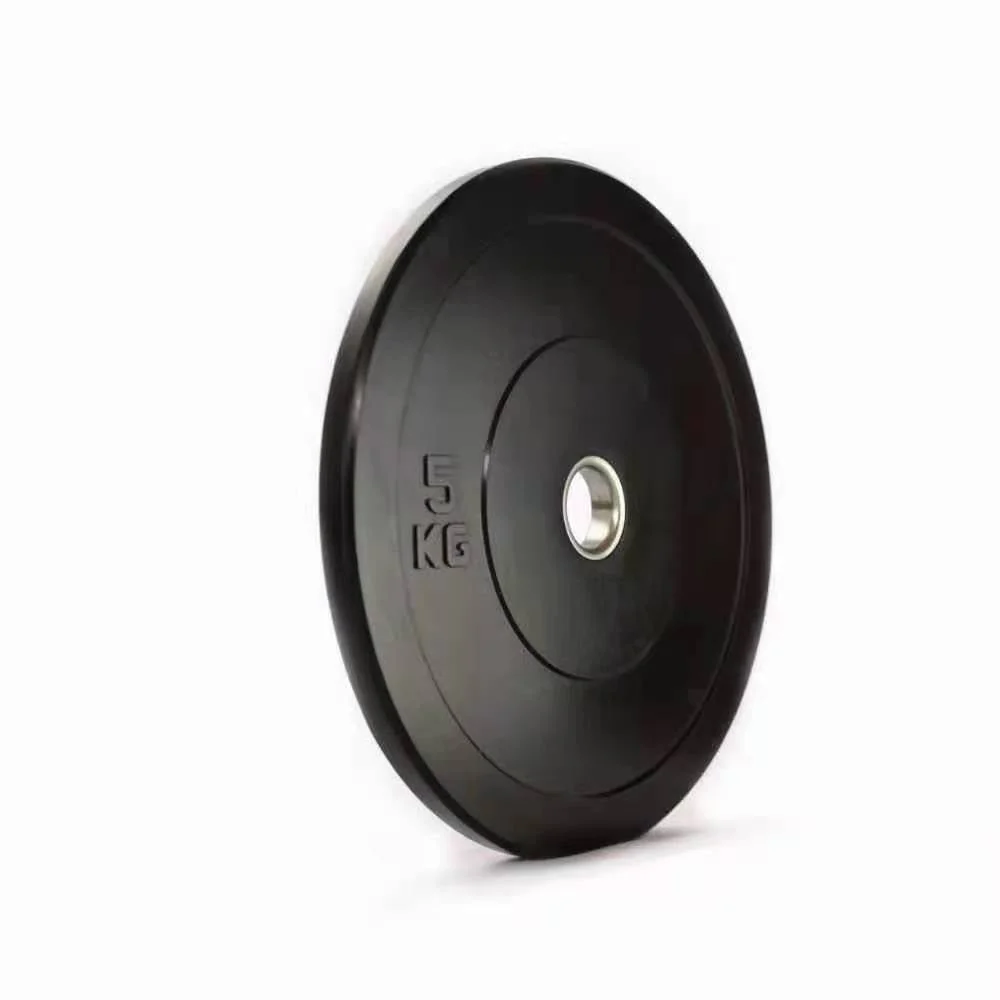
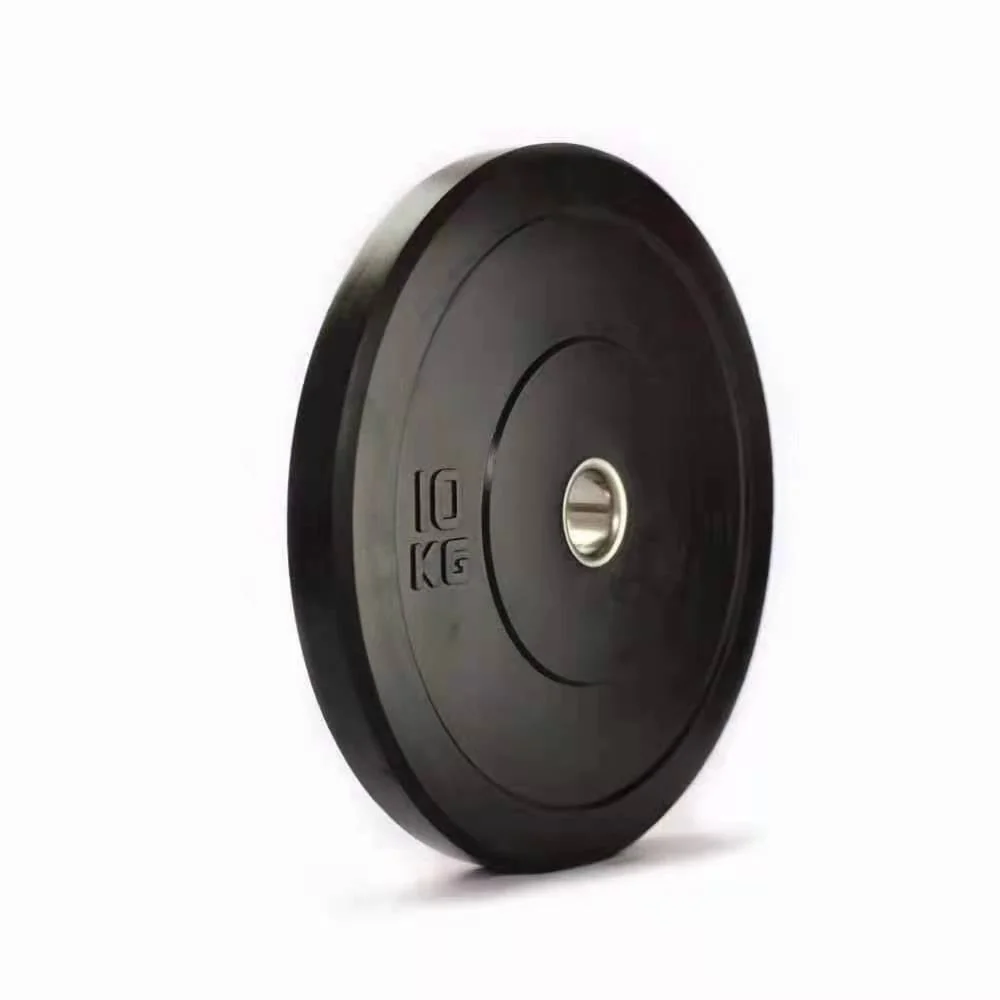
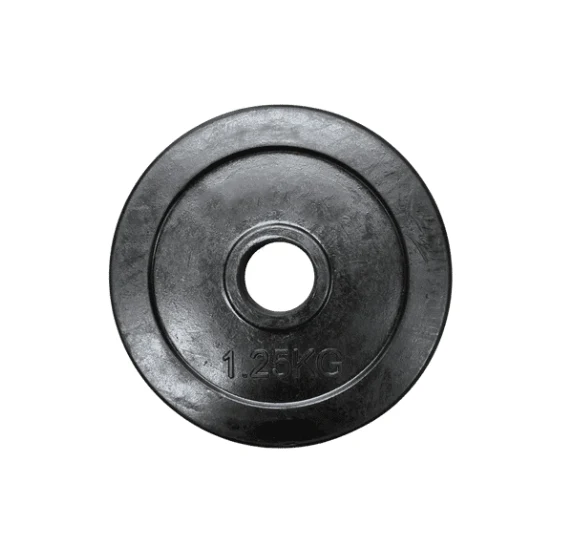
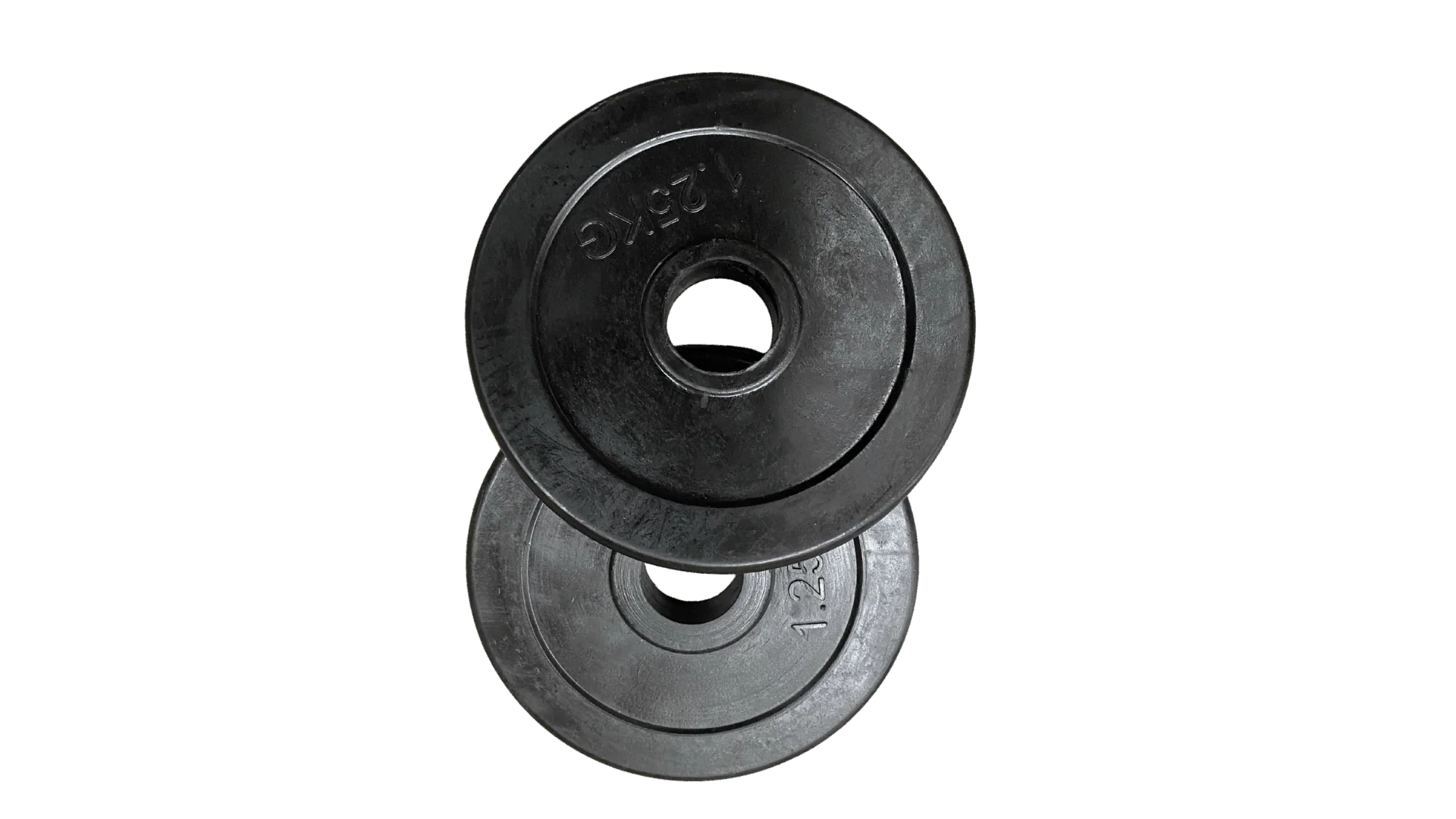
Calibrated Competition Cast Iron Powerlifting Plate – Precision Machined Discs
Note: Sold Individually (Not in Pairs)
When you are chasing a new 1RM or preparing for a powerlifting meet, every gram counts. The Calibrated Competition Cast Iron Powerlifting Plates from 24/7 Gym Equipment are engineered for athletes who demand absolute precision. Unlike standard gym plates which can vary wildly in weight, these discs are machine-calibrated to a strict tolerance of just ±10 grams.
Featuring a slim profile to maximise barbell loading capacity, these plates allow you to load over 700kg on a standard power bar. Finished in vivid, colour-coded powder coating for instant weight identification, they are the gold standard for powerlifting, strongman training, and serious strength development. Available for fast shipping to Sydney, Melbourne, Brisbane, Perth, and Adelaide.
Why Upgrade to Calibrated Plates?
🎯 Precision Accuracy
Standard gym plates can be off by up to 5-10%. Our calibrated plates are machined to within 10 grams of the stated weight. When you have 200kg on the bar, you know it is exactly 200kg.
📏 Ultra-Thin Profile
The slim design (e.g., 27mm for a 25kg plate) allows you to fit more weight on the sleeve. This is essential for heavy deadlifts and squats where bumper plates run out of room.
🔒 Snug Collar Fit
The 50.4mm collar opening is precision-drilled to fit snugly on Olympic sleeves. This eliminates "plate wobble" and rattle, providing a stable, solid feel during the lift.
🎨 Competition Colour Coding
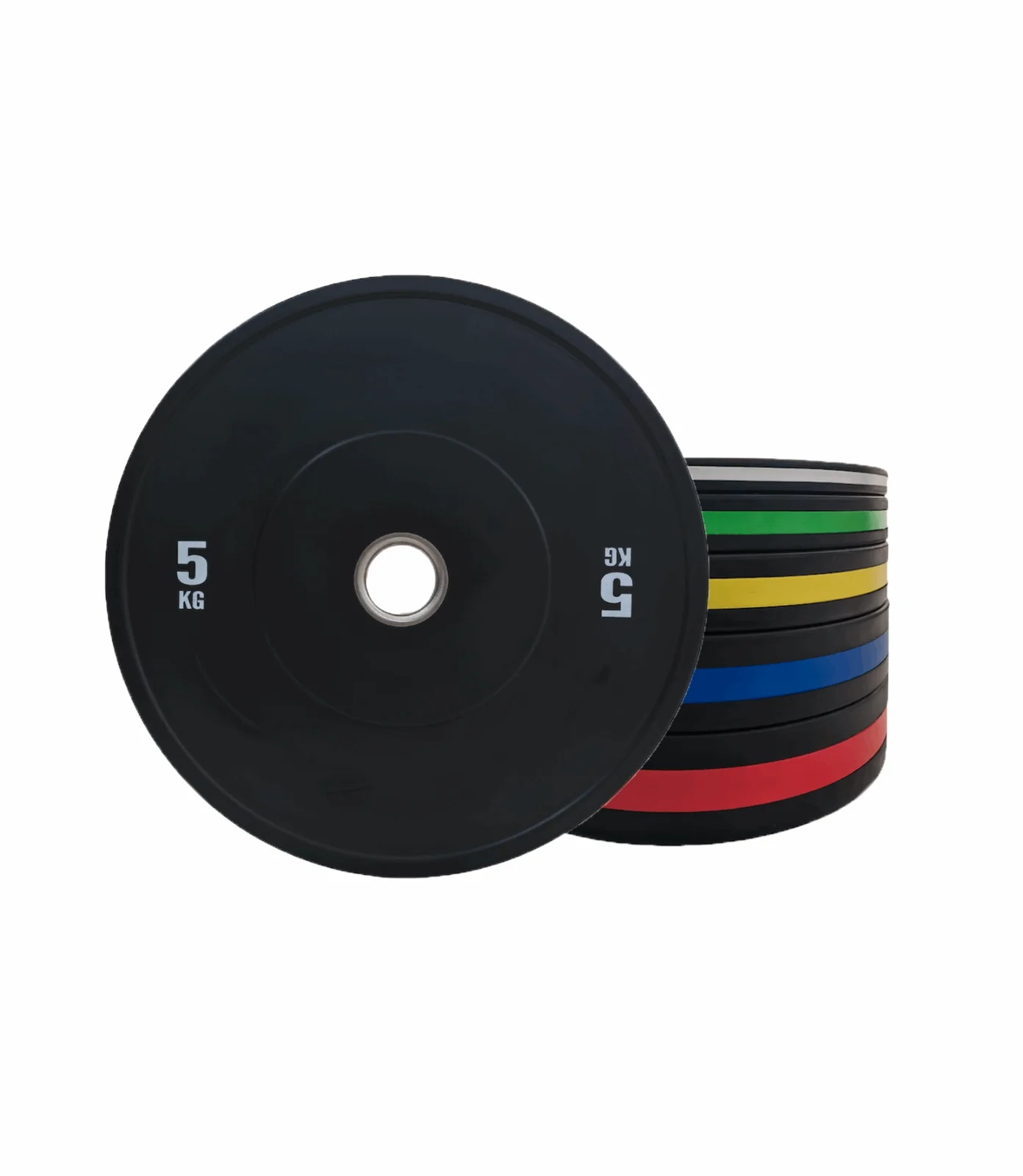
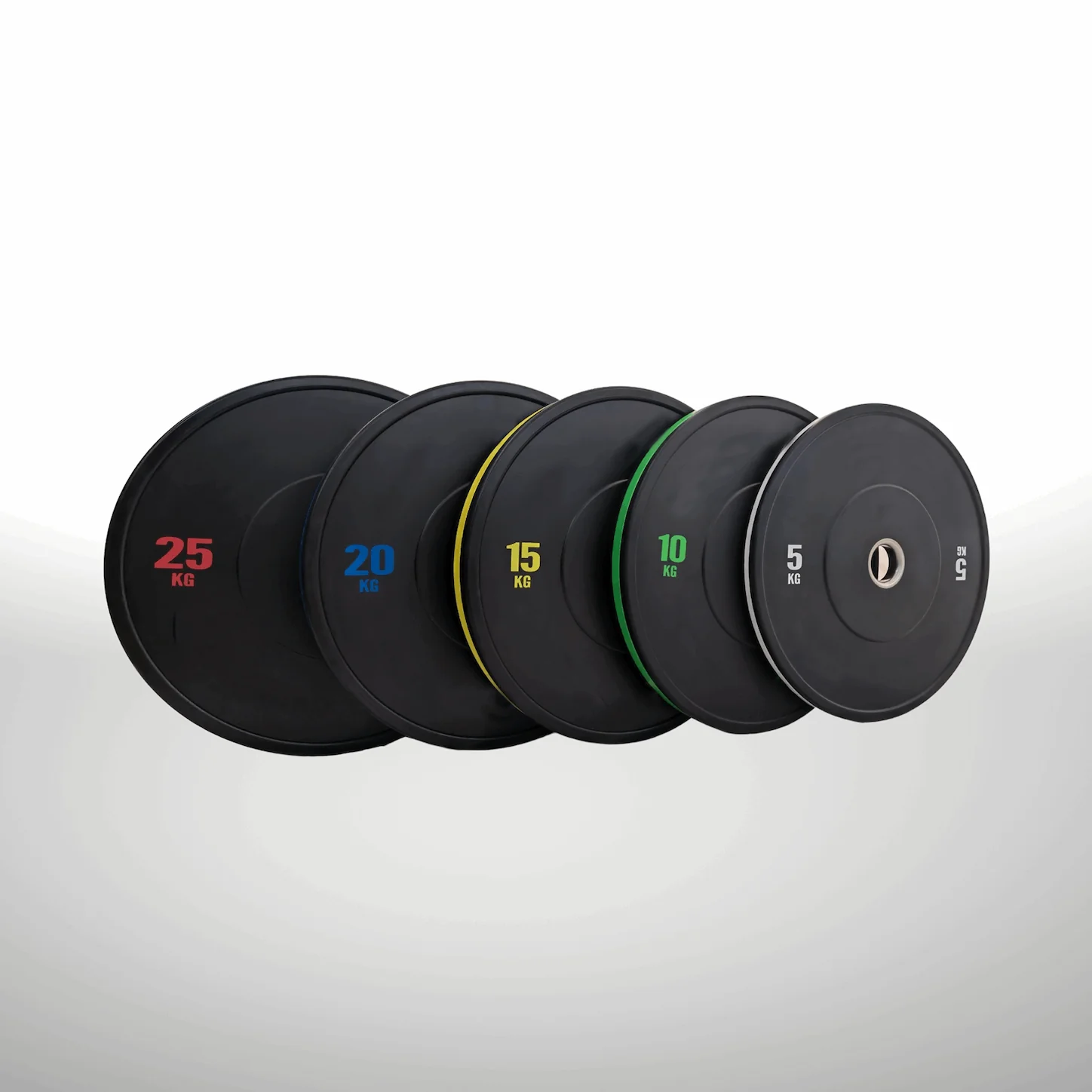
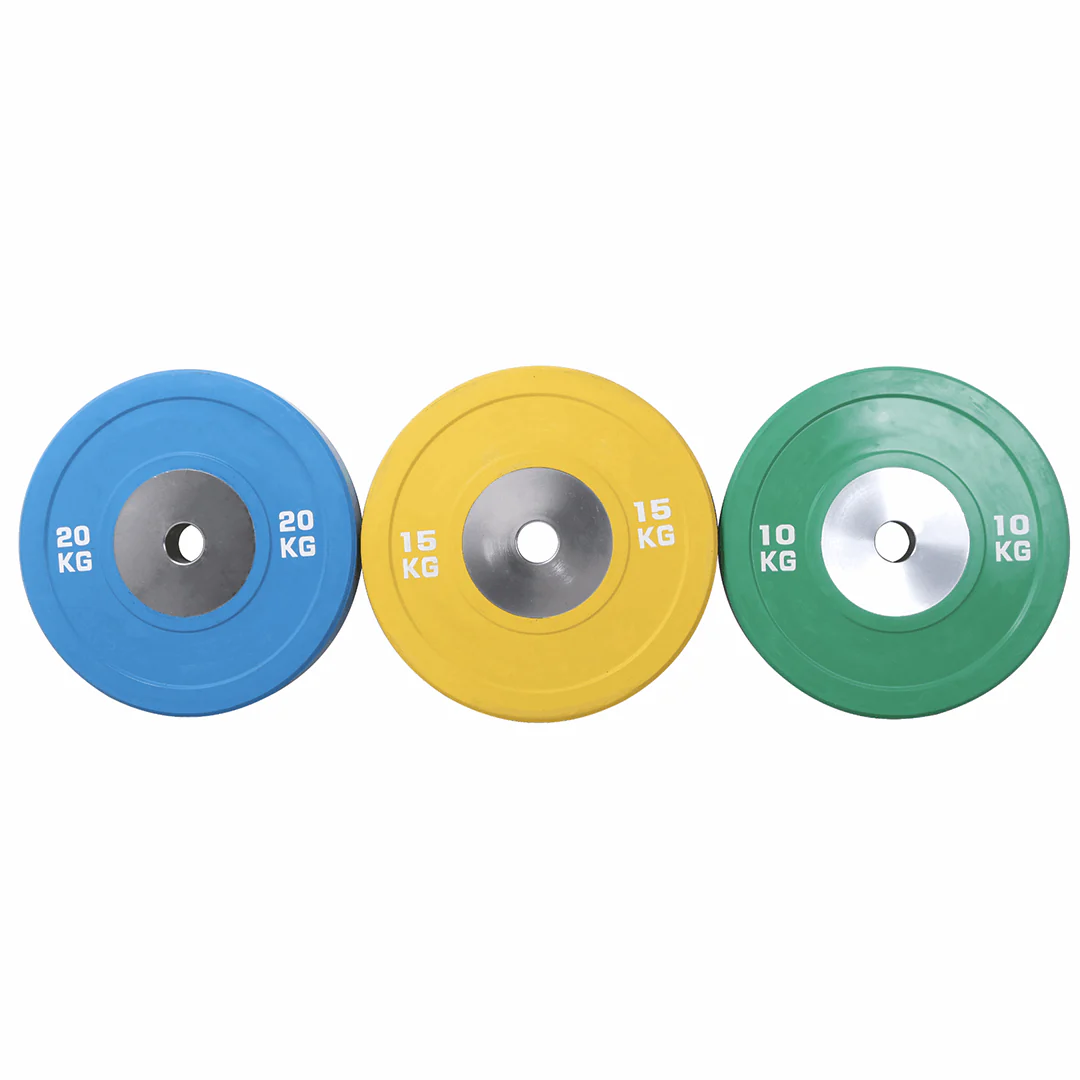
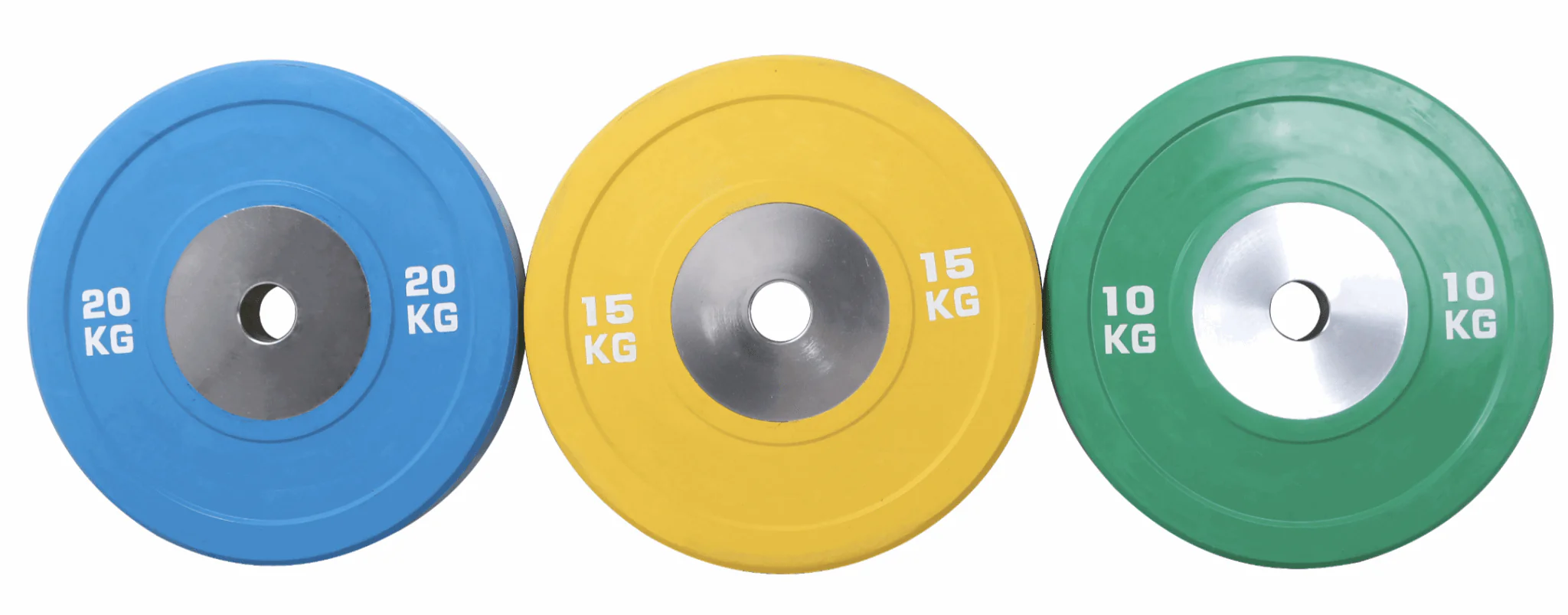
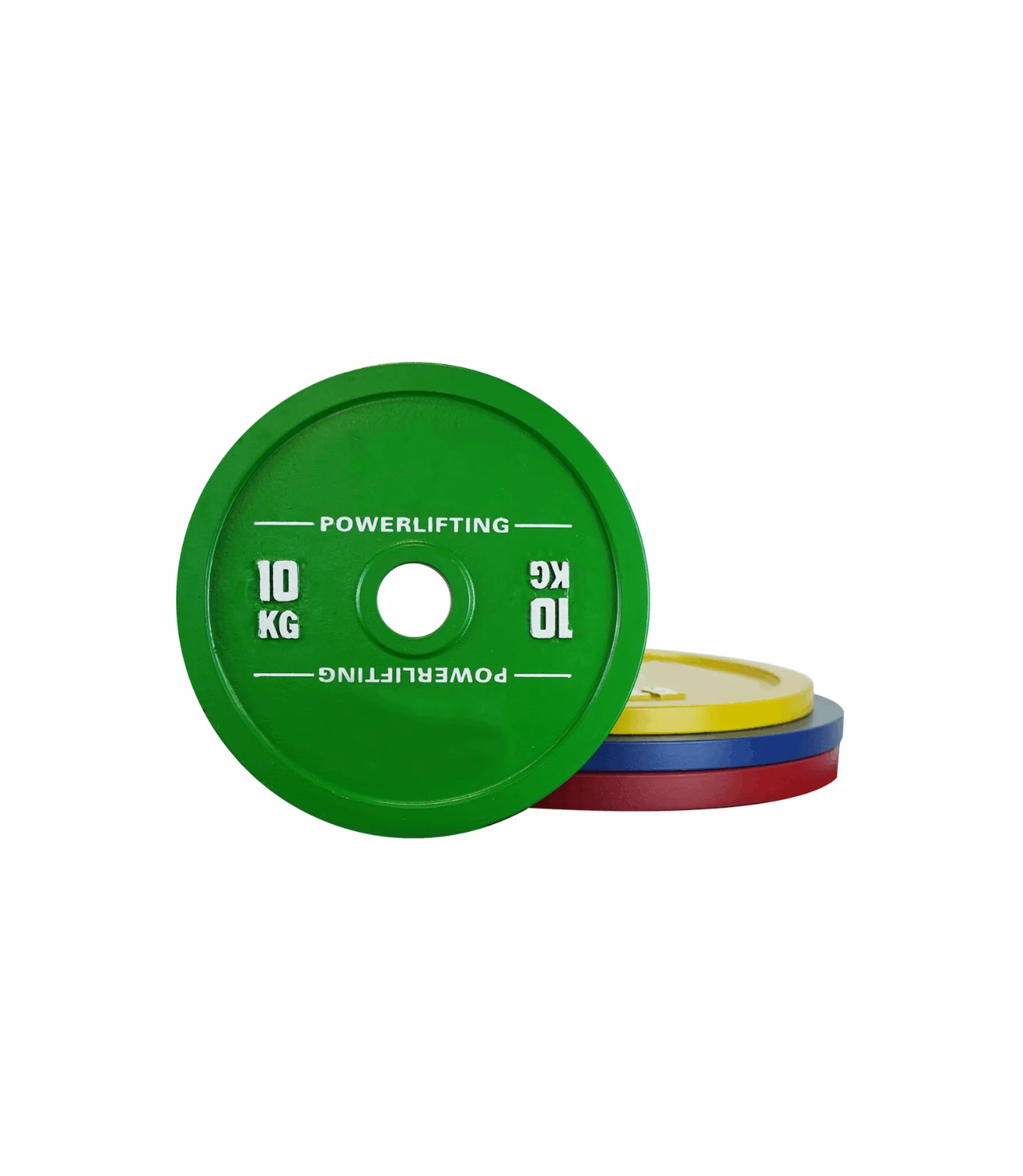
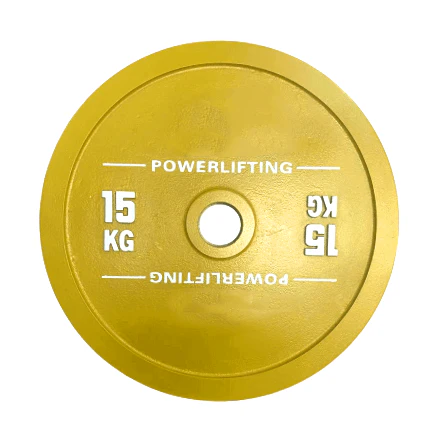
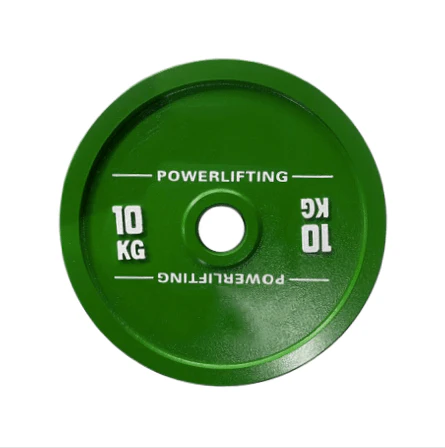
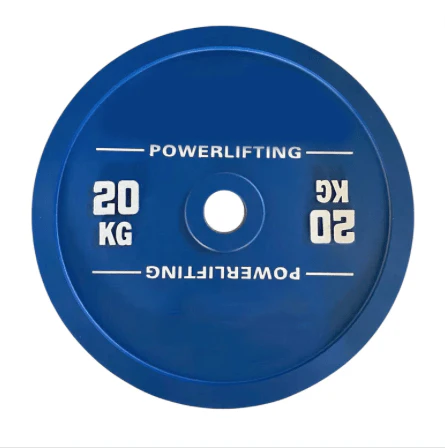
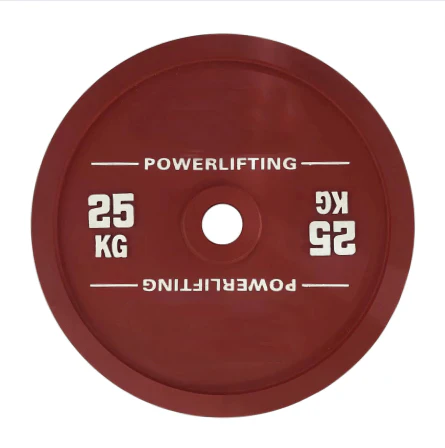
Follows International Powerlifting Federation (IPF) color standards: Red (25kg), Blue (20kg), Yellow (15kg), Green (10kg), and White (5kg) for easy recognition.
Technical Specifications
Our plates are designed to align with international competition sizing standards.
| Weight | Colour | Diameter | Thickness |
|---|---|---|---|
| 25 kg | Red | 450 mm | 27 mm |
| 20 kg | Blue | 450 mm | 22.5 mm |
| 15 kg | Yellow | 400 mm* | 21 mm |
| 10 kg | Green | 325 mm* | 21 mm |
| 5 kg | White | 228 mm* | 21.5 mm |
*Note: Diameters for 5kg-15kg are smaller than 450mm to facilitate easier handling and loading. The 20kg and 25kg plates are full regulation 450mm diameter.
The Ultimate Guide to Calibrated Powerlifting Plates in Australia
Everything you need to know about precision steel discs for competition prep and home gyms.
Calibrated vs. Standard vs. Bumper Plates: What's the Difference?
Choosing the right weight plates is crucial for your training goals. Here is how Calibrated Cast Iron compares to other options:
1. Calibrated Cast Iron (This Product)
Best For: Powerlifting (Squat, Bench, Deadlift), Strongman, and general strength training where accuracy is paramount.
- Pros: Extremely accurate weight, very thin profile (high density), stable on the bar, durable.
- Cons: Noisier than rubber, not suitable for dropping from overhead (Olympic lifting).
2. Standard Rubber Bumper Plates
Best For: CrossFit, Olympic Weightlifting (Clean & Jerk, Snatch), and garage gyms where noise is a concern.
- Pros: Quiet, can be dropped safely, protects floors.
- Cons: Very thick (limits max load on bar), often have high bounce, less accurate weight tolerance.
3. Standard Iron Plates ("Gold's Gym" Style)
Best For: General bodybuilding and budget home gyms.
- Pros: Cheapest option per kilogram.
- Cons: Loose collar openings cause rattle, large variances in weight (a 20kg plate might actually weigh 19kg or 21kg), often bulky.
The Verdict: If you lift heavy and care about the numbers on the bar being real, Calibrated Plates are the only choice.
How Calibrated Plates Improve Your Training
Upgrading to calibrated plates isn't just about aesthetics; it changes the mechanics of your lift.
1. Center of Gravity
Because these plates are so thin (27mm for a 25kg plate), the weight mass is kept closer to the center of the barbell. This reduces "bar whip" (the bouncing of the bar) during heavy squats and deadlifts. A stiffer, more predictable bar allows you to exert force more efficiently.
2. Specificity for Competition
If you plan to compete in the IPF, GPC, or local powerlifting meets, you will be lifting on calibrated steel plates. Training on thick rubber bumpers feels completely different—the bar bends differently, and the weight feels distributed further out. Training on calibrated plates ensures that on meet day, the equipment feels familiar.
3. The "Dead Stop" Effect
Cast iron plates have zero bounce. In the deadlift, this forces you to pull from a true dead stop every rep, rather than relying on the "bounce" or rebound that rubber plates provide off the floor. This builds superior starting strength.
Care & Maintenance Guide
These plates are an investment. Follow these tips to keep them in competition condition:
- Storage: Always store plates on a weight tree or toaster rack. Do not leave them resting against walls or on damp concrete floors, as this encourages rust.
- Cleaning: The powder coat is durable, but chalk and sweat can accumulate. Wipe them down periodically with a microfiber cloth and a mild, non-corrosive cleaner.
- Dropping: These are Powerlifting plates, not Olympic plates. They should not be dropped from overhead (like in a Snatch). They can handle being dropped from waist height (Deadlift) provided you are using a Lifting Platform or 20mm+ Rubber Gym Tiles. Never drop them directly onto concrete.
- Rust Prevention: In humid Australian climates (like QLD or coastal NSW), cast iron can oxidize if the coating chips. If you see a small chip, touch it up with a paint marker or apply a light coat of 3-in-1 oil to exposed metal.
Shipping & Delivery Information
We are experts in shipping heavy freight across Australia.
How we ship: Small orders (e.g., a pair of 5kg plates) may ship via standard courier. Large orders (e.g., full 150kg+ sets) are securely strapped to a pallet and shipped via heavy freight carriers to ensure they arrive undamaged.
Locations: We deliver to all capital cities (Sydney, Melbourne, Brisbane, Adelaide, Perth, Canberra, Hobart, Darwin) and most regional centers.
Lead Times: Sydney Metro orders are typically dispatched within 24-48 hours. Interstate orders generally arrive within 3-7 business days depending on your location.
❓ Frequently Asked Questions
Do these plates fit a standard Olympic Barbell?
Yes. They feature a precision-machined 50.4mm center hole. This is designed to fit snug on any standard 50mm Olympic sleeve. Note: Because the tolerance is tight, they may be difficult to slide onto cheap, low-quality bars with poor chrome plating or inconsistent sleeve diameters.
Are these sold as a pair or single?
All our calibrated plates are sold individually. This allows you to customize your set exactly how you want it. If you need a pair, please add "2" to your cart.
Why are the smaller plates (5kg-15kg) smaller in diameter?
This is standard practice for calibrated plates. It makes loading and unloading the bar significantly easier. Since the 20kg and 25kg plates are the full 450mm diameter, the smaller plates do not need to touch the ground during a deadlift.
What is the weight tolerance?
These plates are machine calibrated to ±10 grams of the stated face value. This is incredibly accurate compared to standard cast iron plates which can vary by 3-5%.
Complete Your Powerlifting Setup
Order Now and train with the precision of a champion using 24/7 Gym Equipment Calibrated Plates.
Details & Craftsmanship
Every detail has been carefully considered to bring you the perfect product.
Details & Craftsmanship
Every detail has been carefully considered to bring you the perfect product.
Details & Craftsmanship
Every detail has been carefully considered to bring you the perfect product.
Details & Craftsmanship
Every detail has been carefully considered to bring you the perfect product.
Description
Calibrated Competition Cast Iron Powerlifting Plate – Precision Machined Discs
Note: Sold Individually (Not in Pairs)
When you are chasing a new 1RM or preparing for a powerlifting meet, every gram counts. The Calibrated Competition Cast Iron Powerlifting Plates from 24/7 Gym Equipment are engineered for athletes who demand absolute precision. Unlike standard gym plates which can vary wildly in weight, these discs are machine-calibrated to a strict tolerance of just ±10 grams.
Featuring a slim profile to maximise barbell loading capacity, these plates allow you to load over 700kg on a standard power bar. Finished in vivid, colour-coded powder coating for instant weight identification, they are the gold standard for powerlifting, strongman training, and serious strength development. Available for fast shipping to Sydney, Melbourne, Brisbane, Perth, and Adelaide.
Why Upgrade to Calibrated Plates?
🎯 Precision Accuracy
Standard gym plates can be off by up to 5-10%. Our calibrated plates are machined to within 10 grams of the stated weight. When you have 200kg on the bar, you know it is exactly 200kg.
📏 Ultra-Thin Profile
The slim design (e.g., 27mm for a 25kg plate) allows you to fit more weight on the sleeve. This is essential for heavy deadlifts and squats where bumper plates run out of room.
🔒 Snug Collar Fit
The 50.4mm collar opening is precision-drilled to fit snugly on Olympic sleeves. This eliminates "plate wobble" and rattle, providing a stable, solid feel during the lift.
🎨 Competition Colour Coding
Follows International Powerlifting Federation (IPF) color standards: Red (25kg), Blue (20kg), Yellow (15kg), Green (10kg), and White (5kg) for easy recognition.
Technical Specifications
Our plates are designed to align with international competition sizing standards.
| Weight | Colour | Diameter | Thickness |
|---|---|---|---|
| 25 kg | Red | 450 mm | 27 mm |
| 20 kg | Blue | 450 mm | 22.5 mm |
| 15 kg | Yellow | 400 mm* | 21 mm |
| 10 kg | Green | 325 mm* | 21 mm |
| 5 kg | White | 228 mm* | 21.5 mm |
*Note: Diameters for 5kg-15kg are smaller than 450mm to facilitate easier handling and loading. The 20kg and 25kg plates are full regulation 450mm diameter.
The Ultimate Guide to Calibrated Powerlifting Plates in Australia
Everything you need to know about precision steel discs for competition prep and home gyms.
Calibrated vs. Standard vs. Bumper Plates: What's the Difference?
Choosing the right weight plates is crucial for your training goals. Here is how Calibrated Cast Iron compares to other options:
1. Calibrated Cast Iron (This Product)
Best For: Powerlifting (Squat, Bench, Deadlift), Strongman, and general strength training where accuracy is paramount.
- Pros: Extremely accurate weight, very thin profile (high density), stable on the bar, durable.
- Cons: Noisier than rubber, not suitable for dropping from overhead (Olympic lifting).
2. Standard Rubber Bumper Plates
Best For: CrossFit, Olympic Weightlifting (Clean & Jerk, Snatch), and garage gyms where noise is a concern.
- Pros: Quiet, can be dropped safely, protects floors.
- Cons: Very thick (limits max load on bar), often have high bounce, less accurate weight tolerance.
3. Standard Iron Plates ("Gold's Gym" Style)
Best For: General bodybuilding and budget home gyms.
- Pros: Cheapest option per kilogram.
- Cons: Loose collar openings cause rattle, large variances in weight (a 20kg plate might actually weigh 19kg or 21kg), often bulky.
The Verdict: If you lift heavy and care about the numbers on the bar being real, Calibrated Plates are the only choice.
How Calibrated Plates Improve Your Training
Upgrading to calibrated plates isn't just about aesthetics; it changes the mechanics of your lift.
1. Center of Gravity
Because these plates are so thin (27mm for a 25kg plate), the weight mass is kept closer to the center of the barbell. This reduces "bar whip" (the bouncing of the bar) during heavy squats and deadlifts. A stiffer, more predictable bar allows you to exert force more efficiently.
2. Specificity for Competition
If you plan to compete in the IPF, GPC, or local powerlifting meets, you will be lifting on calibrated steel plates. Training on thick rubber bumpers feels completely different—the bar bends differently, and the weight feels distributed further out. Training on calibrated plates ensures that on meet day, the equipment feels familiar.
3. The "Dead Stop" Effect
Cast iron plates have zero bounce. In the deadlift, this forces you to pull from a true dead stop every rep, rather than relying on the "bounce" or rebound that rubber plates provide off the floor. This builds superior starting strength.
Care & Maintenance Guide
These plates are an investment. Follow these tips to keep them in competition condition:
- Storage: Always store plates on a weight tree or toaster rack. Do not leave them resting against walls or on damp concrete floors, as this encourages rust.
- Cleaning: The powder coat is durable, but chalk and sweat can accumulate. Wipe them down periodically with a microfiber cloth and a mild, non-corrosive cleaner.
- Dropping: These are Powerlifting plates, not Olympic plates. They should not be dropped from overhead (like in a Snatch). They can handle being dropped from waist height (Deadlift) provided you are using a Lifting Platform or 20mm+ Rubber Gym Tiles. Never drop them directly onto concrete.
- Rust Prevention: In humid Australian climates (like QLD or coastal NSW), cast iron can oxidize if the coating chips. If you see a small chip, touch it up with a paint marker or apply a light coat of 3-in-1 oil to exposed metal.
Shipping & Delivery Information
We are experts in shipping heavy freight across Australia.
How we ship: Small orders (e.g., a pair of 5kg plates) may ship via standard courier. Large orders (e.g., full 150kg+ sets) are securely strapped to a pallet and shipped via heavy freight carriers to ensure they arrive undamaged.
Locations: We deliver to all capital cities (Sydney, Melbourne, Brisbane, Adelaide, Perth, Canberra, Hobart, Darwin) and most regional centers.
Lead Times: Sydney Metro orders are typically dispatched within 24-48 hours. Interstate orders generally arrive within 3-7 business days depending on your location.
❓ Frequently Asked Questions
Do these plates fit a standard Olympic Barbell?
Yes. They feature a precision-machined 50.4mm center hole. This is designed to fit snug on any standard 50mm Olympic sleeve. Note: Because the tolerance is tight, they may be difficult to slide onto cheap, low-quality bars with poor chrome plating or inconsistent sleeve diameters.
Are these sold as a pair or single?
All our calibrated plates are sold individually. This allows you to customize your set exactly how you want it. If you need a pair, please add "2" to your cart.
Why are the smaller plates (5kg-15kg) smaller in diameter?
This is standard practice for calibrated plates. It makes loading and unloading the bar significantly easier. Since the 20kg and 25kg plates are the full 450mm diameter, the smaller plates do not need to touch the ground during a deadlift.
What is the weight tolerance?
These plates are machine calibrated to ±10 grams of the stated face value. This is incredibly accurate compared to standard cast iron plates which can vary by 3-5%.
Complete Your Powerlifting Setup
Order Now and train with the precision of a champion using 24/7 Gym Equipment Calibrated Plates.